
Fort Payne Dental Marketing Services to Attract More Patient
September 1, 2025
Introduction
In Fort Payne dental practices, trust is the cornerstone of any successful dental practice. Patients today expect to be treated as individuals, not just names on an appointment book.
In fact, industry experts note that personalized communication is crucial for dental practices to boost patient satisfaction and relationships.
It’s no surprise – research shows 80% of consumers are more likely to do business with companies that offer personalized experiences. Dental patients are no different.
This means generic, one-size-fits-all marketing simply won’t cut it. In this blog, we’ll explore how personalized marketing – from using a patient’s name in an email to tailoring content to their specific needs – can build lasting dental trust in Fort Payne dental practices and turn one-time visitors into loyal, long-term patients.
Understanding Personalized Marketing for Dental Practices
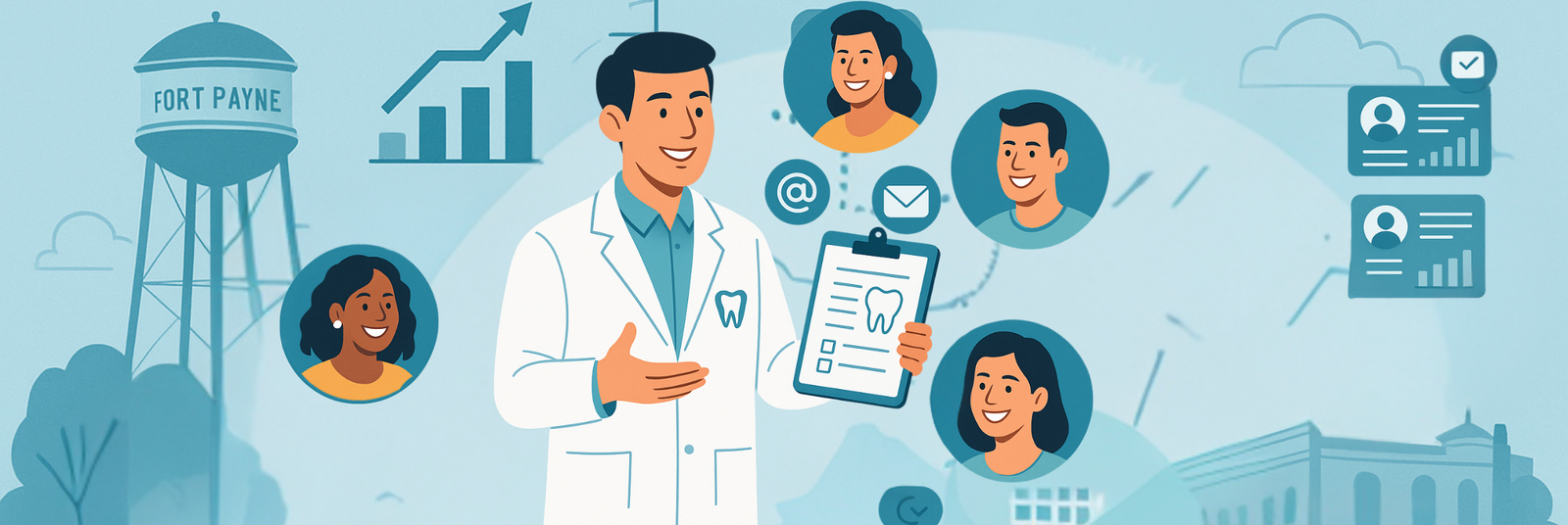
Personalized Fort Payne dental marketing practices involves tailoring your outreach and messaging to fit each patient’s unique needs, preferences, and concerns. Instead of a blanket message to all patients, it’s a customer-centric strategy that treats patients as individuals.
For example, rather than sending a generic “Welcome to our clinic” note, a personalized approach might welcome a new patient by name and reference the specific treatment they inquired about. It’s about moving away from the old “spray and pray” mass marketing and creating genuine one-to-one connections.
In practice, this could mean using data from your dental practice management software, surveys, or past interactions to guide your communications. If a patient has mentioned anxiety about dental procedures, you might send them calming tips before their appointment.
If another is interested in cosmetic dentistry, you could share a teeth-whitening promo with them when the time is right. By leveraging patient data to create targeted, customized campaigns, dentists can drive higher patient engagement, satisfaction, and retention.
In other words, personalized marketing isn’t just a buzzword – it has become essential for building the long-lasting patient relationships that every Fort Payne dental practice needs for a thriving business.
Why Trust Is Vital in Dental Marketing
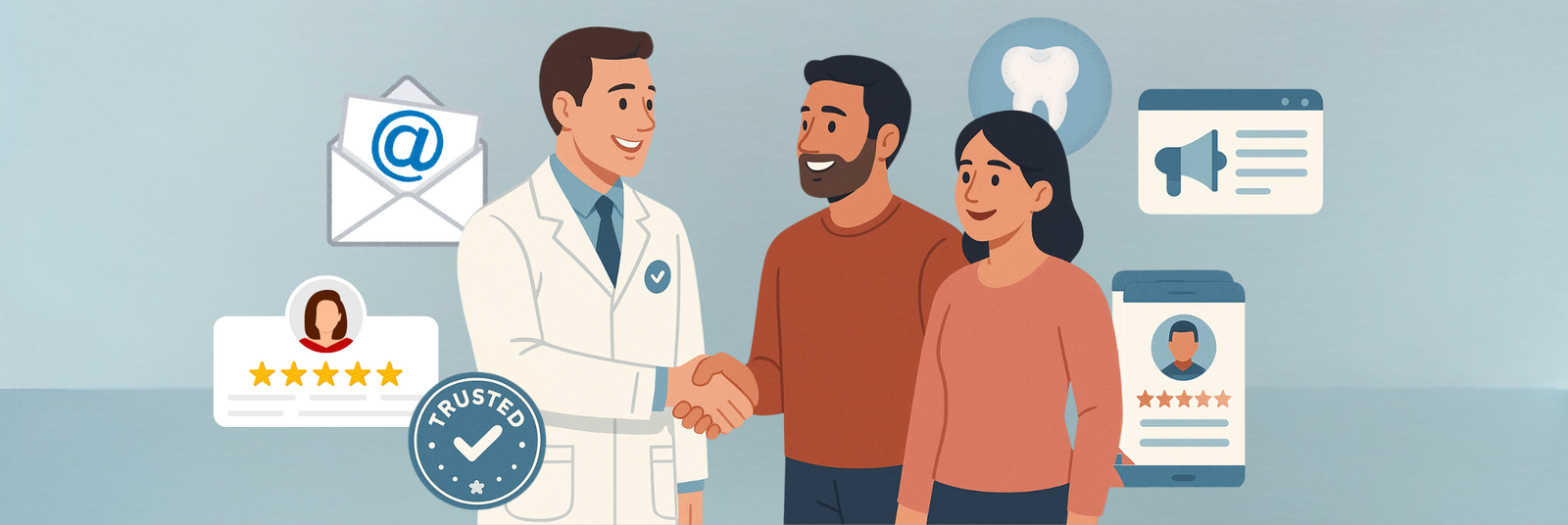
Trust is everything in healthcare, and dentistry is no exception. Patients who trust their dentist are more likely to accept treatment plans, return for regular visits, and refer friends or family.
According to recent research, a positive first impression can increase a patient’s trust in their dentist by up to 90%. Clearly, establishing trust from the outset greatly influences whether a patient feels comfortable moving forward with care.
For Fort Payne dental Marketing, which rely heavily on community reputation and word-of-mouth, trust is even more crucial. A miscommunication or impersonal interaction can make an apprehensive patient lose confidence. On the other hand, tailored messages that speak directly to a patient’s concerns can reassure them that you truly understand and care.
Trust built through communication doesn’t just improve the mood of a single appointment – it lays the foundation for loyalty that can last decades. By focusing your marketing on trust-building personalized touches, you demonstrate the same attentiveness and compassion in your outreach that you provide in the operatory.
This consistency goes a long way toward making patients feel secure and valued.
How Tailored Messages Build Patient Trust
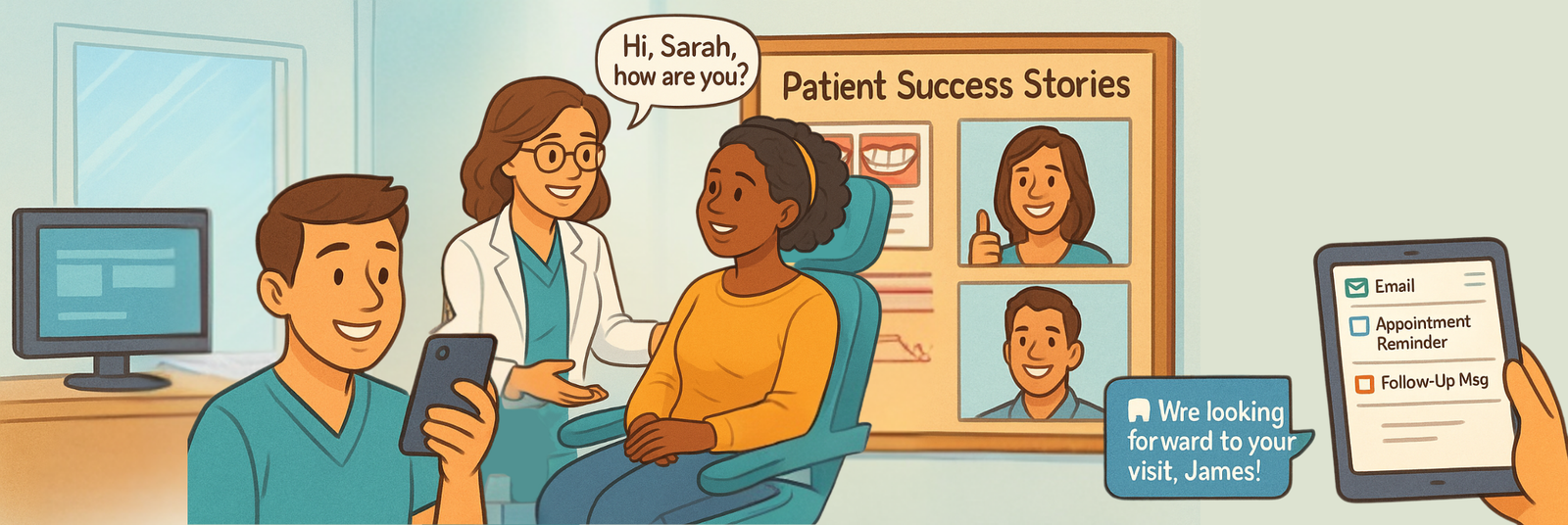
Personalized marketing isn’t just a nice extra – it directly contributes to patient trust in tangible ways. When people feel seen and understood, they naturally develop a stronger belief that your Fort Payne dental practice has their best interests at heart. Here are several ways that tailored messages help build trust with dental patients:
1.Address Patients by Name and Need
Something as simple as using a patient’s name and noting their specific dental needs in your communications can make a big impact. Personalizing in this way shows patients you recognize them as individuals.
One dental marketing expert observed that by addressing patients by name and acknowledging their unique needs, you create a personal connection and reassure patients that you see them as individuals, not just numbers.
Whether it’s an email, text reminder, follow-up call, or even targeted PPC services campaigns that speak directly to a patient’s needs, using personal details (like “How’s your new crown feeling, Jane?”) shows genuine concern. This familiarity fosters trust because patients feel known and cared for.
2.Show Empathy by Tailoring to Concerns
Tailored messages allow you to directly address common patient anxieties or priorities, demonstrating empathy. For instance, if many patients express fear of pain or needles, you might send content about your gentle techniques or sedation options to those people.
Acknowledging patient worries in your messaging establishes trust by showing empathy. The patient sees that you “get” their concerns and are proactively working to ease them.
Empathetic content — like a blog post on overcoming dental anxiety shared with an anxious patient — shows you’re listening and you care, which strengthens their trust in your Fort Payne dental practice.
3.Provide Timely, Relevant Outreach
Timing and relevance are key to personalization. Sending the right message at the right time makes patients feel you are attentive and reliable.
In fact, Fort Payne dental practices today thrive by tailoring messages to meet patients right where they are – for example, sending a perfectly timed reminder for a check-up, crafted with the patient’s name and previous visit details.
Perhaps a patient is due for a six-month cleaning – a friendly reminder that’s personalized (“Hi John, it’s been 6 months since we saw you last – ready for your next cleaning?”) not only jogs their memory but also makes them feel valued individually.
Such relevant communications show that you’re organized and caring, which builds trust. Patients appreciate not being forgotten or treated like just another slot on the schedule.
4.Highlight Patient Success Stories
Nothing builds credibility like real examples. With permission, share brief success stories or testimonials from your patients in a personalized way. For instance, if a patient named Mary overcame her fear of the dentist and got the treatment she needed, that story (told in a respectful way) can reassure others with similar fears.
By highlighting individual patient success stories, Fort Payne dental practices create personalized messages that resonate with potential patients by addressing their specific needs and concerns.
Seeing stories of “patients like me” fosters trust because new patients feel understood and hopeful. It shows that you have helped others with similar backgrounds or issues, making your practice more relatable and trustworthy.
Featuring a patient’s journey (whether on your website, social media, or a brochure) personalizes your marketing and powerfully validates your expertise.
5.Continue the Conversation Beyond the Clinic:
Personalized marketing helps you maintain an ongoing relationship, not just transactional visits. For example, sending a quick check-in email after a major procedure (“Hi Alex, just wanted to see how you’re feeling after your root canal last week”) shows attentiveness beyond the clinic walls. Patients interpret this as genuine care.
As one 2024 dental industry report noted, such attentiveness beyond the clinic strengthens patient–provider relationships. By keeping communication open and personalized even when they’re not in your chair, you reinforce that trust continuously.
Patients know you’ll be there for them and that you remember their situation, which makes them more likely to reach out with questions or return for care.
Each of these approaches demonstrates to patients that your Fort Payne dental practice values them as individuals. Personal touches turn cold marketing into warm communication.
Over time, these tailored interactions compound to build a strong bond of trust. A patient who feels personally cared for is far more likely to believe in the quality of your care and to follow your advice.
In Fort Payne, where personal relationships often drive business success, such trust-building through marketing is a smart investment in your practice’s reputation. To enhance your practice’s online presence and patient acquisition, consider investing in Fort Payne dental SEO services that help you attract local patients through search engine optimization strategies.
Implementing Personalized Marketing Strategies in Your Practice
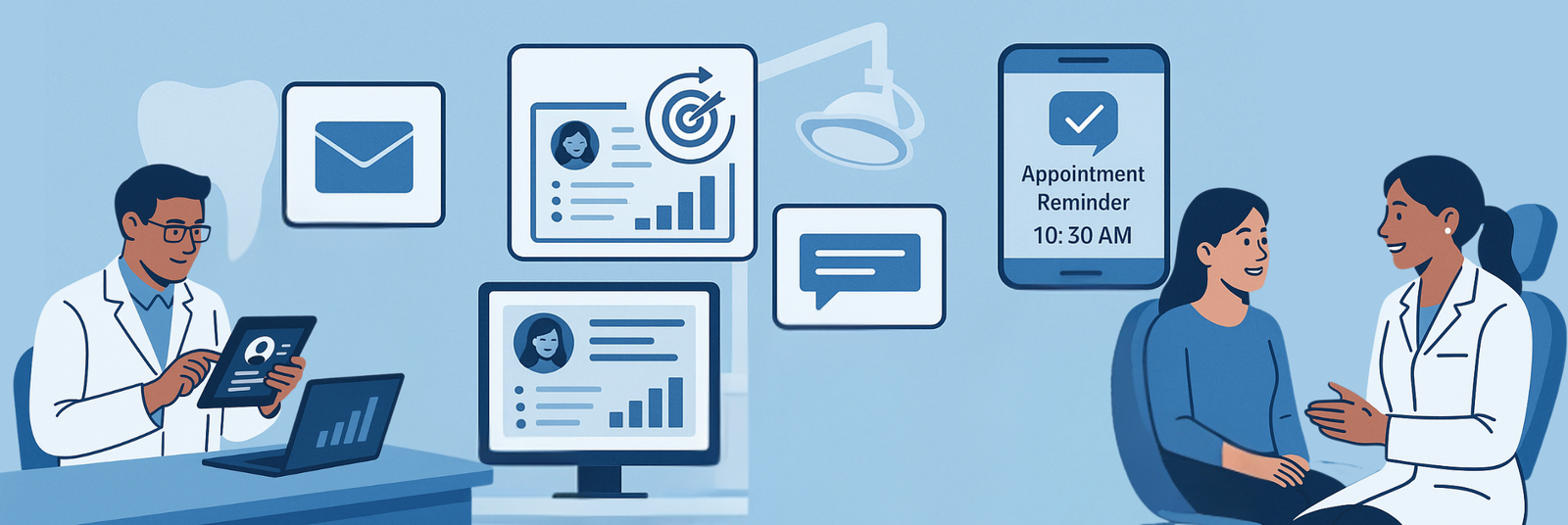
Knowing the why is one thing – now let’s talk about how to do personalized marketing effectively. Building trust through tailored messages requires thoughtful use of tools and tactics. Here are some strategies to implement personalized marketing in a dental practice:
1. Leverage Your Patient Data Ethically
Your existing records are a goldmine for personalization. Use your practice management software and digital forms to gather insights on patient demographics, treatment history, and preferences.
For example, you can track who prefers morning appointments, who hasn’t been in for over a year, or who showed interest in cosmetic services. With this data, segment your patient list into groups (families with kids, seniors, patients interested in Invisalign, etc.).
Segmentation allows targeted messages that resonate with each group, rather than generic blasts. A word of caution: always handle patient data with care and privacy in mind. Make sure patients have consented to communications, and be transparent about how you use their information to personalize their experience.
When done right, data-driven personalization shows patients you remember them – but done wrong (like using data without permission) it can erode trust. Stay ethical, and patients will appreciate the customized touch.
2. Personalize Across Multiple Channels
Don’t limit personalization to just one platform. Patients interact with your practice through various channels – email, text messages, phone calls, social media, and your website. Try to inject personal elements into each of these touchpoints. For instance:
- Email Marketing: Ditch the one-size-fits-all newsletter. Segment your email list and tailor content to each group’s interests or stage in the patient journey. Address recipients by name and reference their last visit or an upcoming need.
A subject line like “Hey Sarah – Ready for Your Spring Smile Tune-Up?” feels far more engaging than “Dental Clinic Newsletter.” According to marketing research, personalized emails and offers make customers feel understood and increase engagement. - Text and Appointment Reminders: Use patients’ preferred names and appointment specifics in SMS reminders (most modern reminder systems allow template personalization).
For example: “Hi Mark, looking forward to seeing you Tuesday at 10 AM for your whitening consult!” This level of detail shows that the message is meant for them, not a generic mass text.
Patients are more likely to trust and respond to reminders that feel personal. Additionally, consider two-way texting platforms that let patients ask questions or confirm easily – it makes communication feel more like a conversation and less like an automated command. - Website and Social Media: Your online presence can also adapt to personalize the experience. Ensure your website has a patient login or form that remembers returning visitors (“Welcome back, Lisa!” on your homepage dashboard, for example).
Feature content relevant to your local Fort Payne audience – such as a blog about seasonal allergies and dental care if that’s common in your area, or a shout-out to a community event.
On social media, engage with patients individually by replying to comments or sending birthday wishes. Small touches like these make your digital communication feel human and build trust through familiarity and locality.
3. Craft Content that Feels One-on-One
Content marketing is a powerful way to educate and engage patients – and it’s even better when personalized. Instead of generic articles, create content that speaks to specific segments of your patient base.
For example, write a “Guide to Dental Care for Kids” and share it with young families in your practice, or a “Cosmetic Dentistry FAQs” PDF for those who’ve shown interest in cosmetic treatments.
You can even personalize by location: since you’re in Fort Payne, mention local landmarks or community stories in your content (“Our practice has helped many patients from Gault Avenue to Godfrey Avenue regain confident smiles…”). This localization signals that you’re deeply rooted in the community, which can bolster trust among local readers.
Personalized content demonstrates expertise and attentiveness – patients feel like you anticipated their questions or needs. As a result, they’re more likely to trust your guidance (you’ve proven you understand them) and more likely to view your practice as the go-to resource for dental knowledge.
4. Use Technology to Scale Personalization
If all this sounds time-consuming, the good news is that technology can help scale your personalized marketing efforts. Email marketing platforms, customer relationship management (CRM) software, and even AI-driven tools can automate a lot of personalization once you set up the rules.
For instance, a CRM can trigger a custom email when a patient reaches a six-month mark since their last visit, inserting their name and a relevant message about scheduling a check-up.
Automated smart messaging systems (like those that some dental software offers) can send different appointment follow-up messages depending on the procedure – perhaps a thank-you note with post-op care tips for a root canal patient versus a simple “nice to see you” for a routine cleaning.
According to a 2024 dental trends report, digital tools like two-way texting, smart automated messaging, and online portals significantly improve patient interactions.
They do so by ensuring communication is timely and pertinent to each patient’s situation. Embracing these tools means you can maintain a personal touch even as your practice grows, without overwhelming your staff.
Remember, though, to monitor these automated communications – you want them to feel personal, not robotic. A quick review of templates and occasional tweaking of language can keep the “human” tone intact.
5. Maintain Consistency and Honesty
Finally, a crucial part of personalized marketing is consistency. Make sure the personalized messages you send align with the experience patients have in the office. For example, if your marketing email addresses a patient by name and highlights your gentle approach for nervous patients, ensure that when they come in, your front desk and clinical team deliver on that promise.
Consistency between marketing and reality is key to building trust – any mismatch can quickly break it. Also, remain transparent and honest in all communications. If you personalize a special offer (“we noticed you might benefit from X treatment, here’s a discount”), be clear about costs and what’s included.
Transparency in communication – about services, pricing, and policies – removes mystery and builds confidence. Patients appreciate candor. Personalized marketing should never cross into manipulation; it’s about serving patients better, not tricking them. When each message is truthful and tailored, you foster an atmosphere of trust where patients know they can rely on what you say.
Benefits of Personalization: From Trust to Loyalty (and Beyond)
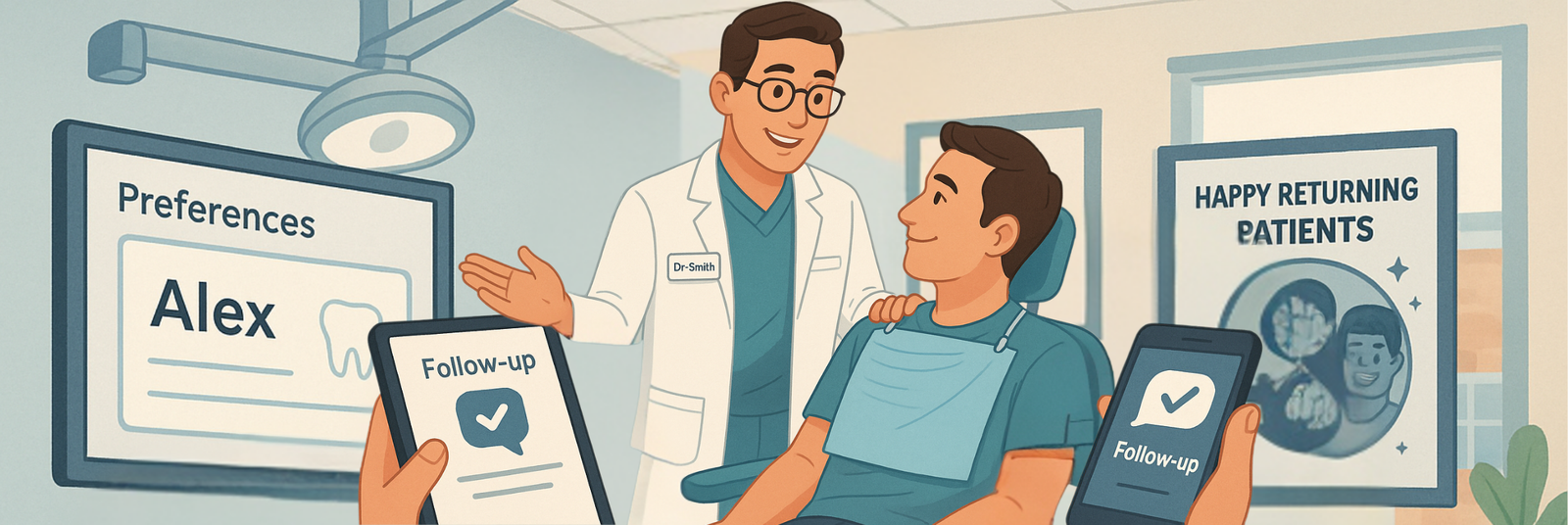
Investing effort in personalized marketing yields significant benefits for your dental practice. We’ve touched on many of these, but to summarize the major advantages:
1.Stronger Patient Trust:
First and foremost, tailored messages help convince patients that your practice is worthy of their confidence. As discussed, personalization makes patients feel understood and valued, directly fostering trust and stronger relationships. A trusting patient is more at ease and more likely to accept your professional recommendations.
2.Higher Patient Satisfaction and Comfort
Patients who receive relevant, empathetic communication are generally happier with their overall experience. They feel “heard.”
Studies in 2024 show that personalizing communication (like using preferred contact methods and messaging that fits their needs) enhances patient satisfaction. Satisfied patients are not only pleasant to work with – they’re also more likely to return and stick to treatment plans.
3.Improved Loyalty and Retention
Trust and satisfaction naturally lead to loyalty. When patients feel a personal connection to your practice, they are far less likely to switch to a different dentist. According to one dental industry insight, personalized communication is vital for making patients feel truly heard and for building their long-term loyalty.
In practical terms, this means higher patient retention rates and more lifetime value per patient. Loyal patients also tend to refer friends and family, bringing you new business via word-of-mouth – the best kind of marketing money can’t directly buy.
4.Greater Engagement and Treatment Adherence
Personalization encourages patients to engage more actively with your practice. They open your emails because the content matters to them, they respond to your texts, and they show up for appointments (or reschedule instead of no-showing) because your reminders resonate.
In healthcare, personalized outreach has been linked to better treatment adherence – patients are more likely to follow through with recommendations when messages are tuned to their circumstances.
For example, a patient with periodontal issues who receives personalized education about gum health is more likely to follow hygiene advice than one who just gets a generic pamphlet.
5.Differentiation in the Market
Not all dental practices take the time to personalize their marketing. By doing so, you set your Fort Payne practice apart from competitors.
You’re telling patients, subtly, we will take better care of you. That reputation for personal care is a powerful differentiator. It builds your brand as a dentist who goes the extra mile.
Over time, this can be a deciding factor for patients choosing between you and “the other dentist down the road.” Your practice becomes known for that trusted, personal touch.
6.Increased ROI on Marketing Efforts
While building trust and loyalty is the primary goal, it’s worth noting that personalized marketing can also improve your bottom line. Engaged, loyal patients contribute more revenue through repeat visits and higher acceptance of treatment plans.
Additionally, marketing campaigns that are personalized tend to perform better – for instance, companies have found that personalization can increase sales by up to 10%. In a dental context, that might translate to more elective procedures booked or higher uptake of preventive care programs.
Essentially, the more effectively your marketing connects with patients, the more likely those patients are to act on it, which means better results from each marketing dollar you spend.
In short, personalized marketing isn’t just about sending nicer emails – it’s a strategy that drives real relationship and business outcomes. From building initial trust to cultivating lasting loyalty, tailoring your approach to each patient creates a win-win: patients receive care and information suited to them, and your practice enjoys a more devoted patient base.
Frequently Asked Questions (FAQ)
Q1: Is personalized marketing feasible for a small dental office?
Absolutely. Personalized marketing doesn’t require a huge budget or a large staff – it requires a thoughtful approach. Start with simple steps: use patient names in communications, segment your email list by basic criteria (e.g. children vs. adult patients), and send targeted reminders or tips.
Even a solo practice can manage these personal touches with a basic computer system or email software. There are affordable tools (and some features built into dental practice software) that can automate many personalization tasks.
Remember, personalization is less about volume and more about quality of connection. A small office actually has an advantage: you know your patients well. Leverage that knowledge in your marketing – reference a conversation you had or a preference a patient mentioned.
These little gestures go a long way. As you grow, you can adopt more advanced tools, but even on a small scale, personalized marketing is both doable and effective.
Q2: What if a patient finds personalized messages creepy or intrusive?
It’s important to strike the right balance in personalization. Most patients appreciate thoughtful, relevant outreach, but it should never cross the line into violating privacy or being overly familiar.
To avoid the “creepy” factor, focus on personalization that provides clear value to the patient. For example, reminding them of due appointments, sending helpful tips related to their health condition, or wishing them a happy birthday with a small special offer – these are usually seen as welcome and caring.
On the other hand, don’t use sensitive personal information in marketing without consent. Always comply with privacy laws (like HIPAA) when handling patient data.
If you’re transparent (e.g. “You’re receiving this tip because you told us at your last visit you were interested in whitening options”) and give patients control (e.g. the ability to opt out or adjust communication preferences), you can personalize confidently. When done respectfully, tailored messages come across as friendly service, not an invasion of privacy.
Q3: How does personalized marketing relate to other dental marketing efforts (SEO, PPC, etc.)?
Personalized marketing works best in tandem with your other dental marketing services.
Think of it this way: strategies like dental SEO services and local search optimization will help new patients find you online, and dental PPC services (pay-per-click ads) can drive targeted traffic to your website – but once people land on your site or start engaging with your practice, personalization helps convert and retain them.
For example, your SEO might attract someone searching “Fort Payne dentist for nervous patients.” If your website then greets them with content specifically about gentle dentistry or sedation options (a form of personalization through targeted content), that visitor immediately feels “This office understands my needs.”
The same goes for pay-per-click ad campaigns – you can set up tailored ad copy and landing pages for different patient segments (cosmetic vs. family dentistry, etc.) with professional PPC services, which is essentially personalization within your advertising.
In summary, personalization enhances the effectiveness of all your marketing channels by ensuring the messaging after the click or contact is highly relevant to the individual. It’s a strategy that turns marketing leads into loyal patients.
Q4: How can I use dental content marketing to build trust with new patients?
To build trust with new patients through content marketing, focus on a strategy that is both educational and transparent. By consistently answering common patient questions with informative content, you can establish your practice as a knowledgeable and reliable authority.
It’s also essential to humanize your brand by sharing authentic, behind-the-scenes content that helps potential patients feel a personal connection.
Ultimately, using social proof, such as patient testimonials and success stories, validates your expertise and makes people confident in choosing your practice for their care.
Conclusion & Call to Action
Personalized marketing is more than just a trend – it’s a smarter, more caring way to communicate that builds genuine trust with your dental patients. By tailoring your messages, you show current and prospective patients that you see them and respect their unique needs.
Over time, those tailored messages turn into stronger relationships, greater patient loyalty, and a standout reputation in the Fort Payne community for being the dentist who truly cares.
Ready to put personalization into action? Start with small steps: segment your contact list, add personal touches to your next batch of recalls, and brainstorm one new way to customize an upcoming marketing campaign. Consistency is key, so keep at it and watch how patients respond.
If you need guidance crafting a personalized marketing strategy or want to take your outreach to the next level, our team of experts (with over 25 years of marketing experience) is here to help.
We offer comprehensive dental marketing services – from crafting targeted content to leveraging the latest automation tools – all tailored to your practice’s goals.
Reach out today to discover how a personalized approach can elevate your Fort Payne dental practice. Let’s build those trusted patient relationships together, one tailored message at a time!
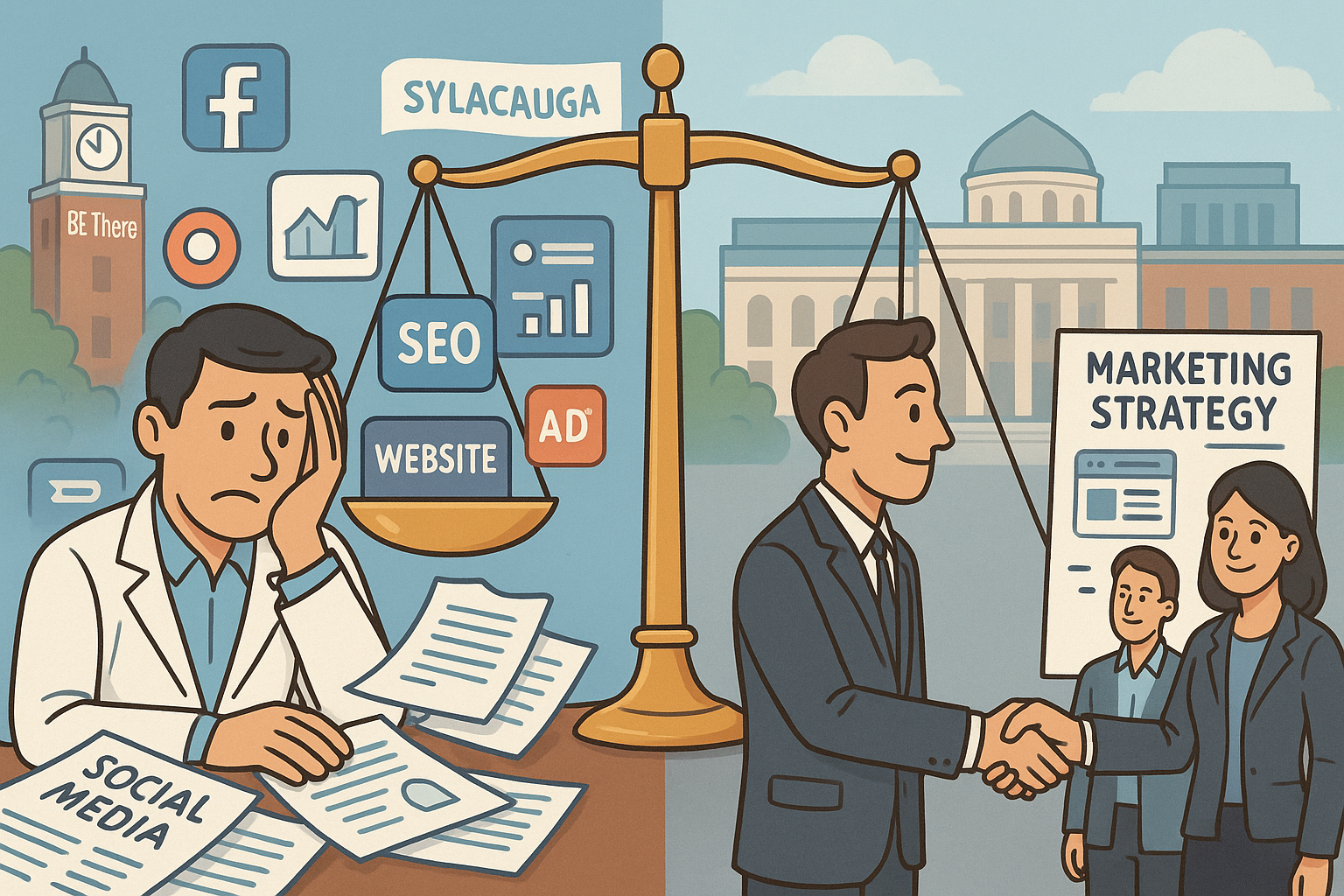
Dental Marketing Agency in Sylacauga: Should You Hire?
Introduction For a dental practice in Sylacauga, standing out can...
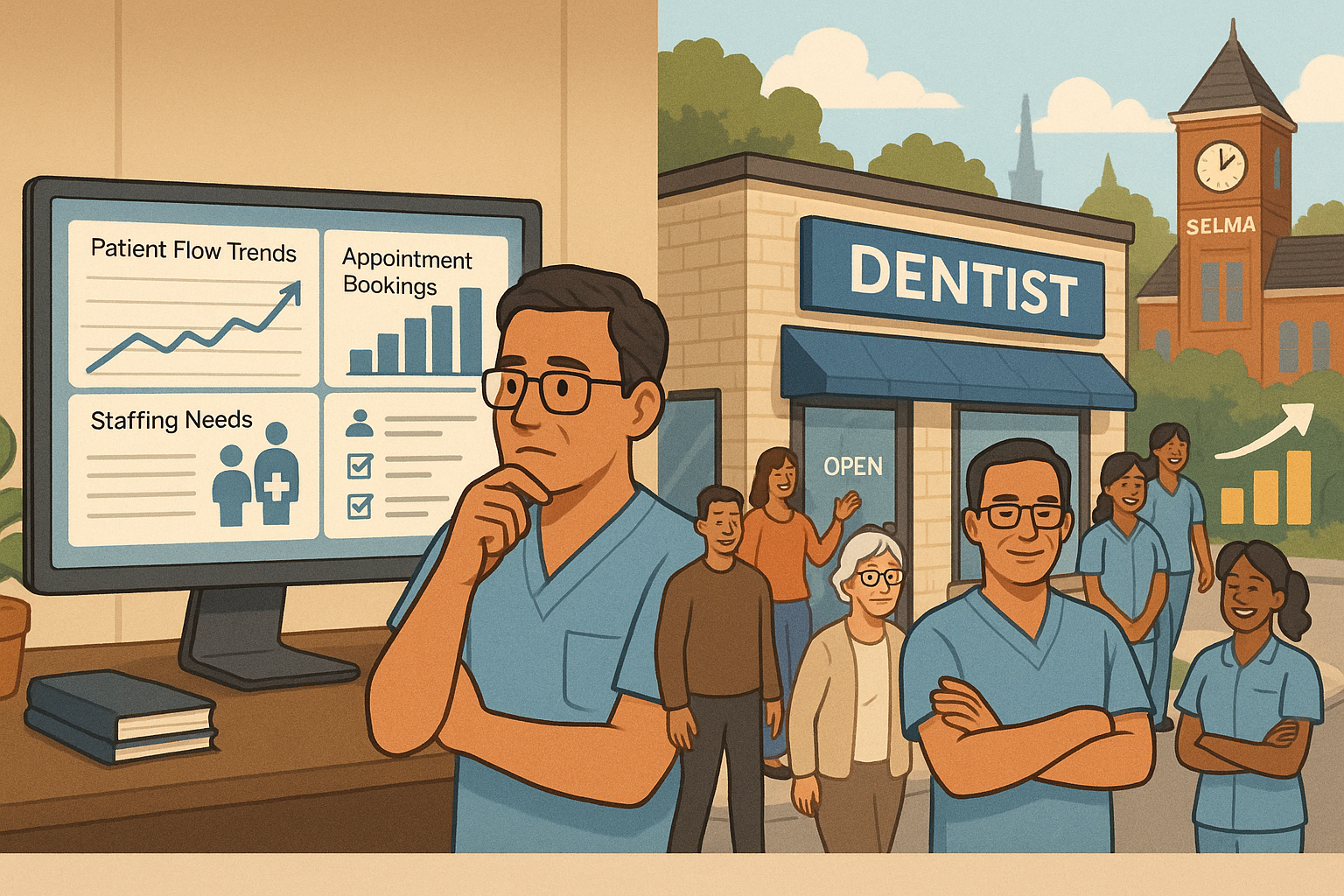
Forecasting With Data: How Predictive Tools Help Selma Dentists Plan Staffing & Growth
Introduction In today’s data-driven world, even dental practices are discovering...
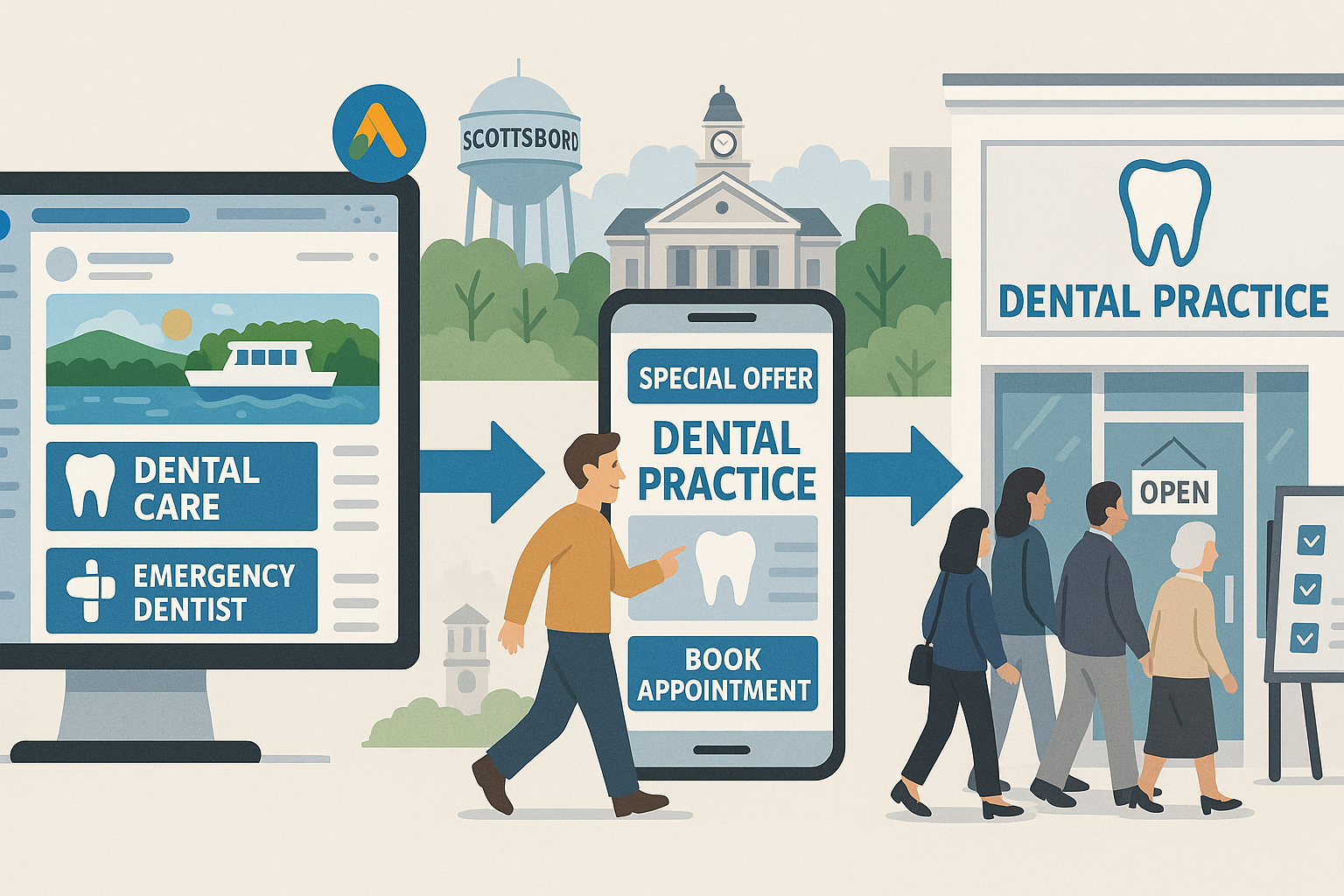
Ads for Dental in Scottsboro: Book More Local Patients
Introduction For over 25 years, I’ve watched marketing trends come...
AI Content in Dentistry Saraland: Save Time & Stay Authentic
Introduction Artificial intelligence is making waves in AI Content in...
Omnichannel Dental Marketing in Prichard: Reach Every Patient
Have you ever noticed an ad for a product seemingly...








2025 ALL RIGHTS RESERVED MADE IN INDIA
